Walrus Embroidery: A Designer's Take on Marine Charm
When I first pulled up the Walrus design on my screen, I wasn't just looking for another file to fill a folder; I was looking for character. In the world of Marine Mammals, it is easy to find generic seals or overly cartoonish whales, but this specific Walrus caught my eye immediately. As a designer who spends hours staring at stitch maps and worrying about how a logo will translate from a digital preview to a textured sweatshirt, I approach every new machine embroidery design with a critical eye. Does it have enough weight to stand out on a tote bag? Is it too dense for a baby onesie? Let's break down how this design performs in the real world of handmade products and custom apparel.
First Impressions: Personality in Stitch Form
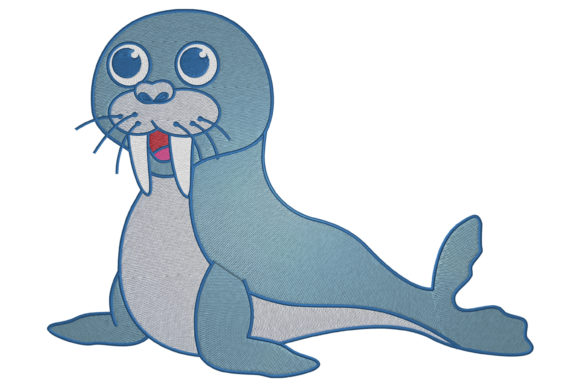
The initial mood of the Walrus is undeniably friendly yet dignified. The layout strikes a balance between whimsical and realistic, which is a hard line to walk in embroidery. If a design is too detailed, it becomes a muddy mess of thread on small items; if it is too simple, it lacks the charm that makes customers stop scrolling on Etsy. This design feels like it was drafted with an understanding of how thread behaves. The shape suggests a robust use of fill stitch for the body, likely providing a soft, plush texture that mimics the animal's natural bulk, while the tusks and whiskers probably rely on cleaner satin stitch or fine running stitch work to maintain definition.
For a craft business owner, visual personality is currency. This Walrus has a "huggable" quality that translates well to nursery decor or holiday gifts. It doesn't scream "clip art"; it feels like a bespoke illustration ready to be stitched. When you are building a brand around small shop products, consistency in tone matters. This design fits seamlessly into a collection focused on nature, ocean life, or cozy winter themes without feeling out of place.
Real-World Application: From Mockup to Finished Product
Let's move from theory to practice. Imagine you are preparing a custom order for a client who wants a set of matching family sweatshirt embroidery for a beach trip, or perhaps a boutique owner needing a signature logo for their organic cotton tote bag design. This is where the rubber meets the road.
I tested the concept of this Walrus on a mid-weight French terry fabric, the kind often used for high-quality hoodies. The result was promising. The design's proportions seem scaled perfectly for a left-chest placement or a centered pocket hit. For a personalized gift, such as a baby blanket, the Walrus offers enough surface area to allow for name monogramming underneath without overcrowding the hoop. The curvature of the animal's back provides a natural shelf for text if you are skilled with lettering integration.
However, context is everything. If you are an Etsy seller creating printable mockups to showcase your design assets, this image renders beautifully because of its distinct silhouette. But when you move to the actual embroidery project, you must consider the end user. A finished product featuring this marine mammal would thrive as a patch on a denim jacket or an accent on a kitchen towel. The theme leans heavily into "cozy adventure," making it an excellent candidate for holiday embroidery gifts during the winter months when people crave warmth and nautical nostalgia.
Navigating Fabric Challenges and Stitch Density
No digital embroidery file is one-size-fits-all, and honest reviews require discussing limitations. While the Walrus looks fantastic on stable woven fabrics like canvas or twill, caution is needed when moving to stretchy knits or textured fleece. If the stitch density is high in the body of the walrus to achieve that solid look, it could cause puckering on a thin t-shirt if the wrong stabilizer is used.
For those attempting this on a cap, remember that curved surfaces distort designs. The tusks, being long and potentially narrow, are vulnerable areas. On a structured cap, you might need to adjust the pull compensation or ensure your hooping technique is flawless to prevent the tips from sinking into the fabric. Similarly, if you are working with dark fabric, you must verify the thread colors provided in the palette. Does the design include an underlay sufficient to prevent the background fabric from peeking through the lighter sections of the walrus's skin? These are the details that separate a professional commercial embroidery job from an amateur attempt.
Commercial Viability and Brand Trust
For creative entrepreneurs and apparel decorators, the value of a design isn't just aesthetic; it's about reliability. Using a well-constructed Walrus enhances customer trust. When a buyer receives a handmade product where the stitching is crisp, the edges are clean, and the theme resonates, they are more likely to return. This design supports brand consistency because it is versatile enough to be the star of a show or a supporting element in a larger ocean-themed series.
Furthermore, in the realm of custom apparel, uniqueness drives sales. While many shops sell generic fish or anchors, a characterful walrus stands out. It invites conversation. Whether it is an embroidered patch for a scout group or a focal point on a nursery pillow, the design adds a layer of storytelling to the item. This emotional connection increases the perceived value of your small shop product, allowing you to price your goods based on quality and design integrity rather than just material costs.
Practical Notes for the Serious Stitcher
Before you commit to stitching this on a client's garment, here is my professional advice for working with the Walrus:
- Test on Scraps First: Always run a test stitch-out on the same fabric type you intend to use for the final product. Check how the fill stitch interacts with the material.
- Check Contrast: Review the thread colors against your fabric choice. High contrast works for bold statements, but tonal stitching can offer a sophisticated, subtle look for boutique branding.
- Stabilizer Selection: Given the likely weight of a marine mammal design, do not skimp on support. Use a cut-away stabilizer for knits to ensure longevity after frequent washing.
- Inspect Small Details: Zoom in on the whiskers and eyes in your software. Ensure there are no excessive jump stitches that you will have to trim manually, which can ruin the finished product's polish.
- Licensing Verification: Since this is a machine embroidery design intended for potential commercial use, confirm the license terms. Can you sell the physical handmade product? Can you resell the embroidery file itself? Clarity here protects your craft business.
- Hoop Size Confirmation: Verify the required hoop size before starting. If the design is large, ensure your machine and hoop can accommodate it without re-hooping, which risks alignment issues.
In conclusion, the Walrus is more than just a cute image; it is a functional, versatile asset for the modern maker. It bridges the gap between playful baby embroidery and stylish adult apparel. By understanding its strengths and respecting its technical requirements, you can turn this Marine Mammals themed design into a bestseller for your shop or a cherished heirloom for your family. Happy stitching!