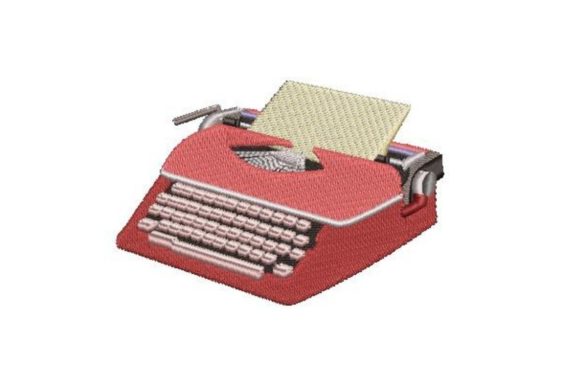
Vintage Typewriter Clipart Images: A Pro Review
As an embroidery designer who has spent years translating digital concepts into tangible thread, I approach every new machine embroidery design with a critical eye for commercial viability. It is not enough for a file to look pretty on a screen; it must withstand the rigors of industrial stitching, frequent washing, and the scrutiny of paying customers. Today, I am reviewing the Vintage Typewriter Clipart Images collection specifically through the lens of small business application. For boutique owners, café operators, and handmade brand creators, this sketched vintage typewriter offers more than just aesthetic appeal; it represents a potential cornerstone for brand identity in the creative sector.
First Impressions and Visual Personality
Upon initial inspection, the description promises a "beautifully sketched" aesthetic that targets fans of vintage accessories. In the world of Embroidery, a sketch style can be a double-edged sword. If rendered poorly, it looks messy; if executed well, it exudes a premium, artisanal quality. This design appears to lean heavily into the latter, offering a rustic yet elegant vibe that feels incredibly current for the "maker movement."
The visual personality here is distinctively classic and decorative. It avoids the overly bold, blocky look of sports logos, opting instead for fine lines and artistic shading that suggest a handmade product. For a creative studio, a florist, or an independent bookstore, this tone is perfect. It signals to the customer that the business values tradition, craftsmanship, and attention to detail. However, for a high-energy gym or a modern tech startup, this might feel too nostalgic. The key takeaway is that this design shines brightest when the brand story involves heritage, writing, creativity, or cozy nostalgia.
Real-World Business Applications
The true test of any digital embroidery file is its versatility across different merchandise categories. Based on the sketched nature of this typewriter, here is how I see it performing in real business scenarios:
- Embroidered Patches: This is arguably the strongest use case. A woven or merrow-edge patch featuring this typewriter could serve as a collectible item for customers or a sleek logo for staff jackets. The sketch style translates beautifully to thread, allowing for subtle shading without looking muddy.
- Staff Uniforms and Aprons: For a bakery or coffee shop, an apron embroidery placement on the chest or pocket adds an immediate touch of professionalism. The vintage theme aligns perfectly with establishments that pride themselves on old-school service methods.
- Cap Embroidery: Placing this on the front of a dad hat or trucker cap requires careful scaling. The detailed keys of a typewriter can get lost if the design is too small, but as a sleeve detail or side-panel accent on a work shirt, it remains legible and stylish.
- Tote Bag Design: Canvas tote bags are a staple for small business merch. The textured surface of canvas pairs well with the organic feel of a sketched design, making it an ideal finished product for sale at craft fairs or as a gift with purchase.
- Product Packaging Accents: While primarily for apparel, this design could also be digitized for lower stitch counts to brand packaging tags or fabric labels, enhancing the unboxing experience.
Technical Considerations for Production
While the artistic merit is high, we must discuss the technical realities of commercial embroidery. The description notes that the design comes with "multiple embroidery f," likely referring to formats or color variations. However, specific technical data such as exact stitch count, precise hoop size requirements, or detailed license terms are not explicitly defined in the brief summary provided.
This lack of specific data necessitates a cautious approach before full-scale production. Here are my professional notes for anyone intending to use these assets:
- Test in Black and White First: Before committing to colorful threads, stitch the design out in a single color (black or navy) on a similar fabric weight. This reveals the true clarity of the sketch lines and ensures the "sketched" effect doesn't turn into a blob of thread.
- Check Small Patch Viability: If you plan to use this for a small embroidered patch under 2 inches, you must verify the stitch density. Fine details in a typewriter sketch often require underlay adjustments to prevent puckering on small scales.
- Review Thread Color Contrast: Sketch styles rely on contrast. Ensure your chosen thread colors provide enough separation between the outline and the fill, especially if stitching onto dark uniforms.
- Inspect Spacing and Satin Columns: Look closely at the spacing between the typewriter keys. If the columns are too narrow, they may merge during stitching. You may need to edit the file to widen these gaps slightly.
- Confirm Hoop Size and Stabilizer: Without explicit hoop dimensions in the product description, measure the design in your software. Always use a cut-away stabilizer for items like tote bags and caps that undergo tension, ensuring the design remains stable over time.
- Create a Printable Mockup: Before stitching a single thread for a client, create a printable mockup superimposed on photos of their actual garments. This manages expectations and confirms the scale is appropriate for the garment type.
- Verify Commercial Licensing: Crucially, confirm the licensing terms. Just because a file is available for purchase does not automatically grant rights for unlimited custom apparel sales. Ensure the license covers physical goods for resale.
Impact on Brand Identity and Customer Trust
Incorporating Vintage Typewriter Clipart Images into your product line does more than decorate fabric; it curates an atmosphere. For an Etsy seller or a local boutique, consistency is key to building brand identity. Using this design across various touchpoints—employee shirts, hang tags, and loyalty cards—creates a cohesive visual language that customers recognize and trust.
Furthermore, the "hand-sketch" quality of the design elevates the perceived value of the finished product. It suggests that the brand cares about aesthetics and history, which can justify a higher price point for small business merch. In a market saturated with generic clipart, a well-executed, specialized design like this helps a business stand out. It transforms a simple t-shirt or cap into a statement piece that resonates with writers, artists, and lovers of vintage culture.
Ultimately, while this design fits comfortably within the Hobbies category for home crafters, its potential for commercial embroidery is significant. By paying attention to the technical details regarding fabric texture, stitch density, and proper stabilization, business owners can leverage this asset to create high-quality, memorable merchandise. Just remember to validate the file specifications and licensing before launching your production run to ensure your brand's reputation remains as pristine as the vintage image you are stitching.