Hippopotamus Embroidery: A Designer’s Craft Fair Review
As an embroidery designer who has spent countless weekends behind a booth table, I have learned that not every digital file translates into a best-selling physical product. When I first loaded the Hippopotamus machine embroidery design onto my hoop, I wasn’t just looking at pixels; I was visualizing a stack of finished goods ready for a bustling Saturday market. This review breaks down how this specific animal-themed design performs in the real world of handmade retail, focusing on what actually drives sales and customer engagement.
First Impressions: Charm Meets Versatility
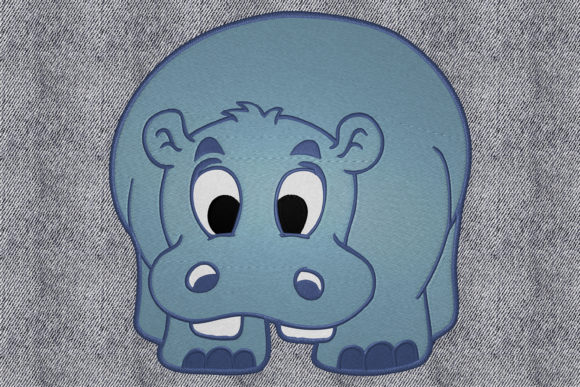
The immediate appeal of the Hippopotamus design lies in its inherent character. Hippos are often perceived as gentle giants, and a well-executed embroidery capture of this animal tends to lean toward the cute, whimsical, or rustic aesthetic. For craft fair sellers, this is gold. It is not overly aggressive, nor is it too delicate to be missed from three feet away. The design feels approachable, making it an excellent candidate for a broad demographic, from children’s items to home decor enthusiasts who appreciate farmhouse or nature-inspired motifs.
When evaluating the visual weight, I look for balance. Does the hippo look heavy and clunky, or does it have a playful lightness? Based on the description of this high-quality embroidery design, it appears versatile enough to serve as either a bold focal point on a tote bag or a charming accent on a smaller accessory. This adaptability is crucial for maximizing the return on investment for your digital embroidery file purchase.
Product Potential: Where Hippopotamus Shines
To determine the best use for this design, I mentally placed it on various blank canvases typical of a handmade shop inventory. Here is where the Hippopotamus truly stands out:
- Tote Bags and Market Bags: A large-scale placement of the hippo on a canvas tote creates an instant statement piece. Shoppers love unique, eye-catching bags that signal personality. The sturdy fabric of a tote handles the stitch density well, ensuring the design remains crisp and durable.
- Apron Embroidery: Kitchenware is a staple at craft fairs. An apron featuring a whimsical hippo appeals to home cooks and gift buyers alike. Placing the design on the bib or lower corner adds a touch of humor and warmth to a functional item.
- Tea Towel Embroidery: For a more subtle approach, scaling down the design for tea towels works beautifully. However, caution is needed here regarding fabric texture. Terry cloth can swallow small details, so ensuring the design has clean, open spaces is vital for clarity.
- Embroidered Patches: If the design holds up at a smaller size, turning it into an iron-on or sew-on patch is a brilliant move. Patches are low-cost, high-margin small shop products that allow customers to customize their own jackets or jeans.
- Pillow Covers: Home decor buyers often look for cohesive themes. A hippo centered on a neutral linen pillow cover creates a premium, boutique look that can command a higher price point.
Production Practicality for the Busy Maker
From a production standpoint, time is money. A design that requires excessive trimming, frequent thread changes, or complex stabilizer manipulation can eat into your profits. The Hippopotamus design seems positioned as a reliable workhorse. When preparing for a batch production run, I always check the stitch path efficiency. Does the machine jump excessively? Are there dense areas that might cause puckering?
For an Etsy seller or boutique maker, consistency is key. This design appears repeatable, meaning you can hoop ten t-shirts or sweatshirts and expect uniform results. This reliability allows you to create printable mockup images for your online listings with confidence, knowing the final product will match the digital preview. High-quality design assets reduce the risk of customer disputes and returns.
Navigating Fabric and Technical Challenges
While the design is versatile, successful execution depends on respecting the materials. Here are my critical notes for producing this commercial embroidery piece:
- Fabric Texture and Stability: Thick fabrics like denim or canvas require a strong cut-away stabilizer to support the weight of the hippo’s form. Conversely, if stitching on a lightweight tea towel, a tear-away stabilizer might suffice, but test first to ensure no pull-back occurs.
- Thread Colors and Contrast: Hippos are naturally gray, but in embroidery, creativity sells. Consider using non-traditional thread colors for a modern twist, or stick to natural tones for a rustic feel. Ensure high contrast between the thread and the fabric background so the design pops from a distance.
- Curved Surfaces: If applying this to caps, remember that the curved surface distorts the view. You may need to adjust the placement slightly higher or lower than standard flat embroidery to ensure the hippo’s face is fully visible and not wrapped around the side.
- Dense Stitch Areas: Check the design for any overly dense sections, particularly in the body or shadowing. On dark fabrics, you might need an underlay stitch or a white base layer to prevent the fabric color from showing through and muddying the design.
Boosting Booth Appeal and Brand Consistency
In a crowded craft fair aisle, visual appeal stops the scroll of a walking customer. The Hippopotamus design contributes to brand consistency if you are building a line of animal-themed goods. It signals to buyers that your shop specializes in charming, nature-inspired creations. When displayed alongside other items, such as bird or forest creature designs, it strengthens the narrative of your booth.
Moreover, handmade quality is judged by the finish. A clean, well-digitized hippo embroidery suggests professionalism. It tells the buyer that you care about details. This perception of value allows you to price your finished product competitively while maintaining healthy margins. Whether used as a standalone item or part of a gift set, the design enhances the perceived effort and artistry involved.
Final Designer Recommendations
Before you commit to a full production run, take these essential steps. First, always test the design on scrap fabric identical to your final product material. Check the hoop size compatibility; while the description mentions multiple embroidery file formats, confirm which hoop sizes are supported to avoid resizing issues that could distort the image.
Second, inspect the stitch density closely. If the design feels too stiff after stitching, consider adjusting your tension or switching to a lighter weight thread. Third, verify the commercial licensing terms. As a digital embroidery file purchaser, you must ensure you have the right to sell finished products made with this design. Most reputable designers grant this, but it is always wise to double-check.
Finally, create at least one real-world mockup. Photograph the embroidered hippo on a tote bag or apron in natural light. Use these images for your Etsy listings and social media promotion. Seeing the design in context helps customers visualize ownership, significantly boosting buyer engagement.
In conclusion, the Hippopotamus embroidery design is a strong contender for any maker’s library. It balances charm with practicality, offering versatility across various Animals-themed products. By paying attention to fabric choice, stabilizer selection, and strategic placement, you can transform this digital asset into a standout craft fair product that delights customers and grows your handmade business.