War Plane: A Designer’s Review for Real Embroidery Projects
As an embroidery designer who has spent years digitizing patterns and testing them on everything from flimsy silk to heavy denim, I approach every new machine embroidery design with a mix of curiosity and skepticism. We have all been there: you download a file that looks stunning in the preview, only to find it puckers the fabric or loses its definition after the first wash. That is why I took a close look at War Plane, not just as a digital asset, but as a potential centerpiece for real-world embroidery projects.
This Transportation-themed design caught my eye because military and aviation motifs are perennial favorites in the craft world. They appeal to a wide demographic, from parents looking for nursery decor to hobbyists creating personalized gifts for veterans or aviation enthusiasts. But does War Plane hold up under the needle? Here is my practical assessment of how this design performs in a working studio environment.
First Impressions: Mood and Visual Personality
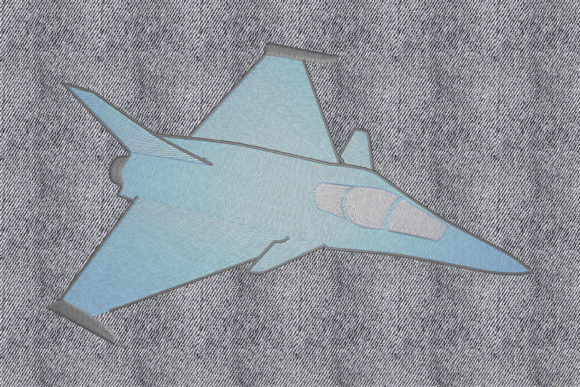
The first thing I noticed about War Plane is its strong silhouette. In Embroidery, shape is king. If the outline is weak, the design gets lost, especially on textured fabrics. This design features a bold, recognizable profile that suggests motion and strength without relying on excessive micro-details that often cause thread breaks. The mood is classic and rugged, making it versatile enough for both playful children’s items and more serious, heritage-style apparel.
The layout feels balanced. It does not appear overly dense in any single area, which is a common pitfall in vehicle designs where wings or propellers can become stitch-heavy nightmares. Instead, the visual weight seems distributed in a way that should allow the fabric to breathe. For an Etsy seller or small shop product creator, this balance is crucial. It means the design is less likely to distort lightweight materials, giving you more flexibility in what products you can offer.
Real-World Application: From Sweatshirts to Patches
I mentally placed War Plane on several standard items to gauge its versatility. Here is how I see it performing in actual production scenarios:
- Sweatshirt Embroidery: This is arguably the best home for this design. The thickness of a cotton blend sweatshirt provides the perfect foundation for the stitches. The bold lines of the warplane would pop against heather gray or navy blue fleece, creating a high-quality, boutique look that justifies a higher price point.
- Embroidered Patch Creation: Because the design relies on strong shapes rather than subtle gradients, it is an excellent candidate for cut-out patches. You could stitch it on twill, trim the excess, and apply it to jackets or bags. This adds value for craft business owners who sell modular design assets.
- Tote Bag Design: For a canvas tote, the design needs to be large enough to show detail but not so dense that it stiffens the bag excessively. War Plane seems suitable for a medium-to-large hoop placement on the front panel, offering a stylish, non-gendered graphic that appeals to a broad audience.
- Baby Embroidery: While the theme is military, the simplified style can work for nursery decor if paired with soft thread colors like slate blue or olive green. However, caution is needed regarding stitch density on delicate baby fabrics.
Technical Considerations and Stitching Behavior
When evaluating a digital embroidery file, I always look for potential technical hurdles. With War Plane, there are a few areas where attention to detail will determine the success of your finished product.
Stitch Density and Fabric Choice
Aviation designs often feature long, straight lines for wings and fuselages. If the stitch density is too low, these long runs can snag or look sparse. If it is too high, the fabric will pucker. Based on the visual complexity, this design likely uses a combination of satin stitch for borders and fill stitch for larger bodies. When stitching on stretchy fabrics like t-shirts, using a high-quality cut-away stabilizer is non-negotiable. Do not skip this step, or your plane will look warped after washing.
Thread Colors and Contrast
The impact of War Plane relies heavily on thread colors. On dark fabrics, ensure you use a bright or metallic thread for highlights to maintain visibility. On light fabrics, darker shades will provide the necessary contrast. I recommend running a test stitch-out in black and white first. If the design loses its form in monochrome, it may lack sufficient structural definition, requiring you to adjust underlay stitches or simplify the color palette.
Hoop Size and Placement
Since the product description mentions compatibility with multiple formats, you likely have options for different hoop sizes. For caps, ensure the design fits within the curved visor area without hitting the seam. For pillows, centering is key. Always measure your specific garment before hooping. A design that is too large for a pocket will look clumsy, while one that is too small on a back panel will get lost.
Where to Use Caution
While War Plane is a robust design, it is not universal. Here are scenarios where I would advise caution:
- Thin or Sheer Fabrics: Avoid using this on chiffon or lightweight rayon unless you are an experienced stabilizer expert. The weight of the threads may pull the fabric out of shape.
- Small Hoop Sizes: If you shrink this design significantly to fit a 4x4 hoop for a keychain, fine details may merge. Check the smallest available format to ensure legibility.
- High-Wear Areas: If placing on the elbow of a jacket or the knee of pants, consider that raised embroidery can wear down faster than flat prints. Use durable polyester threads for longevity.
Commercial Value and Customer Appeal
For commercial embroidery professionals and handmade product sellers, the ultimate question is: Will this sell? The answer lies in presentation. War Plane offers a timeless aesthetic that does not feel tied to a fleeting trend. This longevity is valuable for building a consistent brand identity.
When creating printable mockup images for your online store, showcase the design on varied items. Show it on a rugged canvas bag for the outdoor enthusiast, and on a soft onesie for the new parent. This demonstrates versatility and helps customers visualize the personalized gift potential. High-quality photos of the actual stitching, highlighting the texture and sheen of the threads, build trust and reduce return rates.
Final Designer Notes
Before you commit to a large batch of custom apparel or list this as a new item in your shop, follow these practical steps:
- Test on Scrap Fabric: Always stitch a sample on the exact fabric type you plan to use. Check for puckering, thread breaks, and color accuracy.
- Check Licensing: Confirm the license terms provided with the embroidery file. Ensure you have the right to sell finished physical items if that is your business model.
- Inspect Small Details: Zoom in on the digitized file. Look for unnecessary jump stitches or overlapping paths that could cause bulk.
- Verify File Formats: The description notes multiple formats are included. Ensure your specific machine reads the format provided (e.g., PES, DST, JEF) to avoid conversion errors that can alter stitch quality.
In conclusion, War Plane is a solid addition to a designer’s library. It balances thematic appeal with practical stitchability. Whether you are creating holiday embroidery gifts or stocking your small shop product line, this design offers the reliability and visual impact needed to create professional-grade results. Just remember: the best design is only as good as the execution. Take the time to test, stabilize, and stitch with care, and your customers will appreciate the quality.