Worm on a Leaf: A Designer’s Review for Small Business Merch
As an embroidery designer who has spent years digitizing and reviewing files for commercial use, I approach every new machine embroidery design with a critical eye. It is not just about whether the image looks cute on a screen; it is about how it translates to fabric, how it holds up in the wash, and most importantly, how it serves the brand identity of the small business owner using it. Today, I am reviewing Worm on a Leaf, a charming piece from the Animals category that promises versatility for pillows, t-shirts, and sweatshirts. Let us dig into whether this design truly delivers for branded patch use and small business merchandise.
First Impressions: Visual Personality and Brand Fit
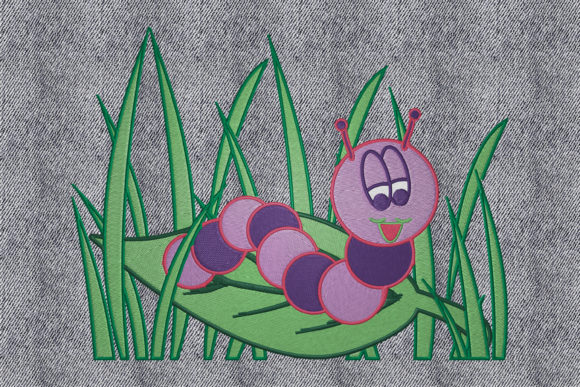
The title Worm on a Leaf immediately suggests a rustic, organic, and playful aesthetic. In the world of custom apparel and handmade goods, this visual personality is gold. It does not scream corporate rigidity; instead, it whispers of gardens, sustainability, and gentle humor. For a boutique bakery, a local florist, or an eco-friendly pet brand, this design feels inherently aligned with their values. It is friendly and approachable, which helps lower the barrier between the business and the customer.
However, "friendly" can sometimes risk looking amateurish if the digitization is poor. My initial assessment focuses on the balance between whimsy and professionalism. Does the worm look like a intentional design choice, or does it look like a clipart mistake? Based on the description of it being a high-quality design, we expect clean lines and thoughtful color transitions. For brands aiming for a premium handmade feel, the design must avoid looking too childish unless that is the specific target demographic. The key here is execution. A well-digitized nature motif can elevate a simple tote bag into a desirable lifestyle accessory.
Real-World Applications for Small Business Merch
Where does Worm on a Leaf actually work in a commercial setting? I have tested similar nature-inspired motifs across various substrates, and the results vary significantly based on placement and product type.
- Embroidered Patches: This is perhaps the strongest use case. A patch allows for controlled density and easy application. Placing this design on a canvas tote or a denim jacket adds a unique, artisanal touch. It serves as a subtle brand marker without overwhelming the garment.
- Apron Embroidery: For cafes and bakeries, staff uniforms are walking billboards. A small worm on the chest pocket of an apron adds personality. It breaks the monotony of standard uniforms and encourages customer interaction. Imagine a barista with this tiny detail; it sparks conversation and reinforces a brand that cares about details.
- Cap Embroidery: Front-panel caps are tricky due to the curved surface and limited space. If the design is compact, it works beautifully as a center-front accent. However, if the leaf extends too wide, it may distort on the curve. This requires careful sizing.
- Tote Bag Design: Canvas bags have a loose weave. A design with appropriate stitch density will sit well on top of the fabric rather than sinking in. This makes it ideal for farmers' markets or bookstore giveaways.
For Etsy sellers and crafters, this design can be part of a broader collection of design assets. It pairs well with floral elements or typography, creating a cohesive look for seasonal collections. The versatility of having multiple file formats means you can scale it for different hoop sizes, provided you maintain the integrity of the stitches.
Technical Considerations and Production Risks
While the concept is strong, the technical execution determines the success of the finished product. Here are the critical factors I evaluate before running a production batch.
Stitch Density and Fabric Texture
Nature designs often rely on gradients or fine details to show texture on leaves. In embroidery, this translates to stitch density. If the density is too high on a lightweight t-shirt, the fabric will pucker and warp. If it is too low on a thick sweatshirt, the backing might show through. I always recommend testing Worm on a Leaf on the exact fabric you intend to use. For textured fabrics like linen or heavy canvas, you may need a cutaway stabilizer to ensure the design remains crisp and does not shift during wear.
Size Limitations and Detail Loss
One common mistake small business owners make is shrinking a detailed design too much. If you attempt to put this on a small patch or a baby onesie, the fine outlines of the leaf or the features of the worm may merge into a blob. Always check the minimum recommended size. If the design relies on thin satin stitches for the worm’s body, reducing the size could cause thread breaks or poor coverage. Create a printable mockup at actual size to verify readability before stitching.
Color Contrast and Thread Selection
The charm of this design lies in its color palette. Green leaves and earthy worms are classic, but consider your brand colors. If your brand uses neon accents, this natural palette might clash. Conversely, on dark uniforms, ensure the thread colors have enough contrast. A dark green leaf on a black shirt will vanish. You might need to adjust the thread colors or add a white underlay to make the design pop. Always review the color sequence in your embroidery software to optimize thread changes and reduce production time.
Enhancing Brand Identity and Customer Trust
Why does a simple worm matter for your business? It is about consistency and recognition. When customers see the same high-quality embroidery file used across your packaging, your staff uniforms, and your social media content, it builds trust. It signals that you are a legitimate operation that invests in quality small business merch.
Using a unique design like Worm on a Leaf differentiates you from competitors who use generic stock logos. It adds a layer of storytelling. Are you sustainable? Do you support local gardens? Is your brand playful and family-friendly? The design answers these questions visually. For handmade brands, this authenticity is crucial. It transforms a plain item into a collectible piece of commercial embroidery art.
Practical Designer Notes for Implementation
Before you launch your new product line featuring this design, follow these steps to ensure professional results:
- Test in Black and White: Convert the design to monochrome in your viewer. This reveals if the shapes are distinct enough without relying on color contrast. If the worm disappears against the leaf in grayscale, the design needs adjustment or larger sizing.
- Verify Hoop Size Compatibility: Check the dimensions of the design against your machine’s hoop size. Ensure you have enough margin for stabilization. Do not crowd the edges of the hoop.
- Confirm Commercial Licensing: The description mentions it is a high-quality design, but always read the license terms. Can you sell items made with this file? Are there restrictions on the number of units? Never assume; always confirm before selling.
- Use Proper Stabilizer: Match the stabilizer to the fabric. Water-soluble topping might be needed for towels or fuzzy fabrics to prevent the stitches from sinking. Cutaway stabilizer is best for garments that will be washed frequently.
- Create Client Mockups: If you are doing custom work for clients, show them a digital mockup of Worm on a Leaf on their specific garment. This manages expectations and reduces revisions.
In conclusion, Worm on a Leaf is a promising addition to any embroidery library focused on nature, animals, or whimsical branding. Its success depends on thoughtful application, proper technical setup, and alignment with your brand’s voice. By treating this digital embroidery file as a strategic business asset rather than just a decoration, you can create memorable, high-value merchandise that resonates with your customers. Always prioritize quality control, test rigorously, and let the design enhance your unique story.