Reviewing Christmas Santa Claus Ho Ho for Gifts
As an embroidery designer who has spent years testing digital patterns for real-world application, I approach every new machine embroidery design with a critical eye. It is not enough for a pattern to look good on a screen; it must perform flawlessly on fabric, withstand washing, and evoke the right emotional response from the recipient. Recently, I had the opportunity to test the Christmas Santa Claus Ho Ho design, intending to use it for a batch of personalized holiday gifts for my small shop. The goal was simple: determine if this pattern could elevate standard seasonal items into cherished keepsakes.
First Impressions: Charm and Seasonal Warmth
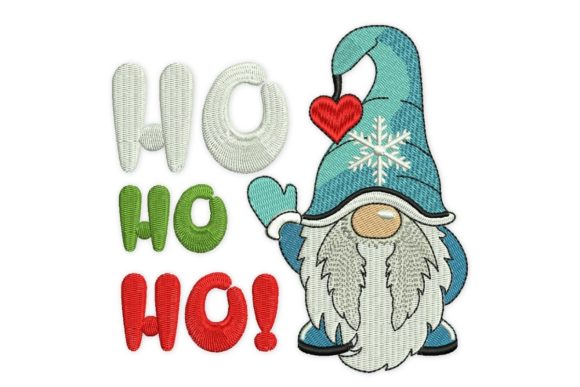
The moment I loaded the embroidery file into my software, the mood of the design became apparent. Christmas Santa Claus Ho Ho exudes a playful, classic holiday spirit. It does not try to be overly modern or minimalist; instead, it leans into the traditional warmth associated with the season. For customers seeking that nostalgic, storybook feeling, this design hits the mark perfectly. The lines appear clean, suggesting that the digitizer paid attention to stitch flow, which is crucial for avoiding thread breaks during production.
When considering a personalized gift, the emotional appeal is paramount. This design feels inviting and joyful. It is not just a graphic; it is a symbol of celebration. For a handmade product seller, this translates to higher perceived value. A customer browsing an online store is more likely to stop scrolling for a design that radiates such clear, unapologetic cheer. It feels sweet and handmade, rather than mass-produced, which is exactly what buyers are looking for when they commission custom work.
Versatility Across Product Lines
One of the strongest aspects of Christmas Santa Claus Ho Ho is its adaptability. In my test run, I explored how it would look on various substrates. For baby embroidery, the design’s rounded elements suggest it would look adorable on a soft fleece blanket or a nursery pillow cover. Parents often seek items that are both festive and gentle, and this pattern fits that niche well. However, when working with baby items, one must always consider the comfort of the child. I recommend using a soft cut-away stabilizer to ensure the back of the embroidery does not irritate sensitive skin.
For the home decor market, this design shines on kitchen textiles. An embroidered towel featuring this Santa motif makes for an excellent hostess gift or a charming addition to a holiday tablescape. I also visualized it on canvas tote bags. The bold nature of the design stands up well against the thicker weave of canvas, making it a viable option for Etsy seller shops that focus on reusable holiday shopping bags. Furthermore, imagine this stitched onto a high-quality apron; it transforms a functional item into a festive uniform for holiday baking, adding a layer of personality to the finished product.
Even for those who create wedding keepsakes, if the wedding occurs in December, this design could be adapted for bridal party gifts, such as robe embellishments or personalized ornament holders. The key is matching the thread colors to the specific aesthetic of the client. While red and green are traditional, swapping to gold and cream threads could give the design a more elegant, winter-wonderland vibe suitable for sophisticated wedding gift packages.
Navigating Fabric Textures and Technical Challenges
While the design is beautiful, practical application requires caution. Not all fabrics behave the same way. When stitching on textured fabric, such as terry cloth towels or waffle-weave blankets, the small details of any embroidery can get lost. I advise running a test stitch on scrap fabric that matches your final product. If the fabric texture is too rough, the intricate parts of Santa’s face or the lettering might not pop as intended. In such cases, increasing the stitch count slightly or using a topping stabilizer can help the threads sit on top of the fibers rather than sinking in.
Another consideration is the hoop size. Although the product description notes that the design comes with multiple embroidery files, you must confirm which size fits your project. Placing a large design on a curved surface, like the sleeve of a onesie or the corner of a pillow, requires careful hooping to prevent distortion. Always check the alignment before starting the machine. Additionally, when working with stretchy baby clothes, the pull of the embroidery can cause the fabric to pucker. Using the correct stabilizer is non-negotiable here. A heavy-duty cut-away is often safer than tear-away for garments that will be washed frequently.
Color contrast is another vital element. On dark fabric, standard thread colors may not stand out. I recommend creating a printable mockup or doing a physical test stitch to compare light and dark fabric options. Sometimes, changing the thread colors from traditional red to a bright white or silver can make the design visible and striking on navy or black backgrounds. This step is essential for maintaining the quality of your custom embroidery offerings.
Boosting Customer Trust and Engagement
From a business perspective, the quality of your embroidery directly impacts customer trust. A clean, well-stitched Christmas Santa Claus Ho Ho signals professionalism. When buyers see consistent stitch density and no loose threads, they feel confident in the handmade quality of your shop. This confidence leads to repeat business and positive reviews. For small shop product lines, consistency is key. Using a reliable digital embroidery file ensures that every item you produce looks uniform, whether it is the first sale of the season or the hundredth.
Photography plays a huge role in buyer engagement. This design, with its recognizable and beloved subject matter, photographs well. Close-up shots that highlight the texture of the stitches can enhance the sensory appeal of the product online. When you showcase a blanket embroidery or a detailed pillow cover, the tactile nature of the thread invites the customer to imagine touching the item. This emotional connection is what converts browsers into buyers.
Final Practical Notes for Makers
Before you list this design for commercial embroidery sales, there are a few final checks to perform. First, verify the licensing terms. Ensure that the purchase of the embroidery file grants you the right to sell finished physical products. Most designers allow this, but it is always best to confirm to protect your business. Second, review the stitch density. If the design is very dense, it may require a heavier needle to prevent breakage. Third, always trim jump stitches carefully to maintain a polished look.
In conclusion, Christmas Santa Claus Ho Ho is a strong contender for holiday collections. It balances charm with technical feasibility, provided the maker pays attention to fabric choice and stabilization. For Etsy sellers and crafters looking to add a touch of traditional joy to their inventory, this design offers a reliable and appealing option. By treating each stitch with care and understanding the nuances of your materials, you can create personalized gifts that bring genuine happiness to your customers this holiday season.