Gingerbread Stocking Christmas: A Designer's Review
As someone who spends more time staring at stitch maps than most people spend watching television, I approach every new machine embroidery design with a mix of excitement and skepticism. We've all been there: you buy a cute file, load it up, and halfway through the stitching, you realize the density is going to turn your fabric into cardboard or the details are too fine for the thread you're using. That is why I took a close look at the Gingerbread Stocking Christmas design before committing it to a client project. This isn't just about whether it looks cute on a screen; it's about how it performs when the needle hits the fabric.
First Impressions and Visual Personality
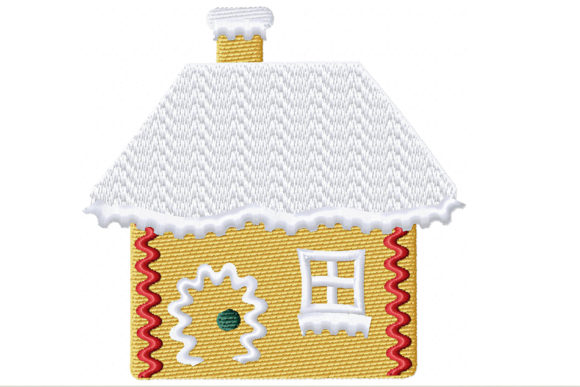
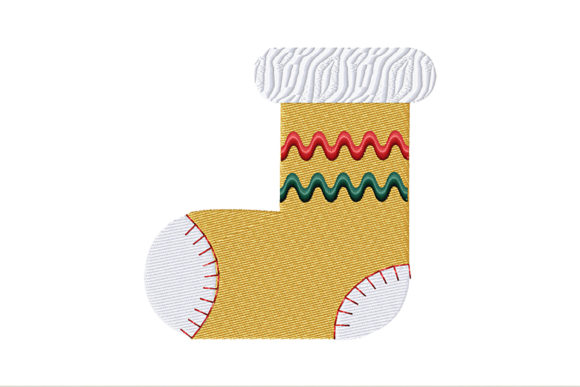
The first thing that strikes me about Gingerbread Stocking Christmas is its inherent warmth. There is a specific mood this design evokes—it feels nostalgic, cozy, and distinctly homey. Unlike some holiday motifs that rely on sharp, modern lines or overly complex shading, this design leans into a classic aesthetic that works beautifully for traditional holiday decor. The shape is recognizable immediately, which is crucial for quick visual engagement, whether it's on an Etsy listing thumbnail or hanging in a boutique window.
From a layout perspective, the design feels balanced. It doesn't scream for attention with chaotic elements; instead, it offers a steady, elegant presence. The description notes that it is "elegant in the kitchen," and I can absolutely see that. The visual personality suggests it belongs on items that are meant to be touched and used, not just displayed behind glass. It has the kind of charm that invites a second look, making it a strong candidate for products where emotional connection drives the sale.
Real-World Application: The Kitchen Towel Test
To truly evaluate this embroidery project, I imagined a specific real-life scenario: preparing a set of custom holiday gifts for a local bakery owner. She wanted branded tea towels and aprons for her staff and premium gift sets for her top customers. This is a perfect use case for Gingerbread Stocking Christmas.
When visualizing this design on a linen tea towel, the contrast between the rustic texture of the fabric and the smooth finish of the embroidery creates a high-end handmade product feel. If I were stitching this on a waffle-weave towel, I would need to pay close attention to the stitch density. If the design is too dense, it might pucker the loose weave of the towel. However, assuming the file is well-digitized, the result should be a crisp, professional image that elevates a simple kitchen tool into a keepsake.
Beyond the kitchen, imagine this on a cream-colored sweatshirt. Sweatshirt embroidery requires a different approach than flat goods. The fleece backing adds bulk, so the design needs to breathe. Gingerbread Stocking Christmas appears to have enough open space to sit comfortably on a chest pocket or sleeve without looking like a solid patch of plastic. For a small shop owner selling custom apparel, this versatility is gold. It allows you to offer the same design across different product categories without needing to re-digitize or significantly alter the artwork.
Navigating Fabric Challenges and Technical Details
While the design is promising, practical execution requires caution. Not every fabric is a friend to every digital embroidery file. If you plan to use Gingerbread Stocking Christmas on dark fabric, you must check the thread colors specified in the design. Does it rely on the background color for part of the image, or is it fully covered? If it's the latter, ensure your underlay stitches are sufficient to prevent the dark fabric from peeking through the lighter gingerbread tones.
Textured fabrics present another hurdle. On a heavy canvas tote or a structured cap, the surface isn't flat. Curved surfaces like caps can distort designs if the hoop size and placement aren't precise. Since this design features a stocking shape, any distortion in the vertical lines would be immediately noticeable. I recommend running a test stitch-out on a scrap piece of your actual production fabric. This is non-negotiable for maintaining brand consistency and professionalism.
Furthermore, consider the stabilizer. For stretchy fabrics like baby onesies or t-shirts, a cut-away stabilizer is often safer than tear-away to prevent the design from shifting or puckering after repeated washes. Since this is likely intended as a holiday embroidery item that might become an annual tradition, durability is key. You want the finished product to look as good in year three as it did on day one.
Critical Considerations for Small Business Owners
- Hoop Size Compatibility: Before purchasing, verify the required hoop size. If you primarily work with 4x4 hoops for patches or small accents, ensure this design fits without scaling down so much that the tiny details merge into a blob.
- Stitch Types: Look for a mix of satin stitch for borders and fill stitch for the body. A good balance ensures the design has dimension without becoming too stiff.
- Washability: If this is for an apron or kitchen towel, it will face water and friction. Check if the design uses many small, isolated running stitches that might snag or pull out over time.
- Licensing: Always confirm the license terms. As an Etsy seller or craft business owner, you need to know if you can sell the physical embroidered items or if the license is for personal use only.
Enhancing Value and Customer Trust
The ultimate goal of using a design like Gingerbread Stocking Christmas is to create value. In the world of handmade goods, customers aren't just buying a towel or a shirt; they are buying a feeling. They want something that feels special and curated. A well-executed embroidery design signals quality. It tells the customer that care was taken in the creation process.
When you present this design in your printable mockup or product photos, pay attention to the lighting. Highlight the texture of the stitches. Show the back of the embroidery if it's clean, as this builds customer trust. People appreciate transparency. If you are creating design assets for others or selling the finished goods, the clarity of the stitching directly impacts the perceived price point. A fuzzy, poorly stitched gingerbread man looks cheap; a crisp, vibrant one looks premium.
For those creating personalized gifts, this design offers a great base for adding names or dates. However, be careful with placement. Adding text below the stocking should not crowd the main motif. Leave enough negative space so the design doesn't feel cluttered. Remember, sometimes less is more. Let the Gingerbread Stocking Christmas motif stand on its own if the application is small, like on a baby embroidery project or a delicate handkerchief.
Final Verdict for the Practical Maker
In conclusion, Gingerbread Stocking Christmas holds significant potential for a variety of commercial embroidery and personal projects. Its strength lies in its timeless theme and adaptable nature. Whether you are decorating a tote bag design for a holiday market or stitching an embroidered patch for a limited edition run, this file could be a staple in your library.
However, success depends on your preparation. Do not skip the test stitch. Do not assume the default settings will work on every material. Take the time to understand the fabric texture you are working with and adjust your stabilizer and tension accordingly. By treating this machine embroidery design with the respect it deserves, you can create stunning small shop products that resonate with buyers and stand the test of time. Happy stitching, and may your holidays be filled with perfect tension and broken threads be few.