Smiling Toaster: A Pro Review for Branded Merch
As an embroidery designer who has spent years digitizing and reviewing files for small business clients, I approach every new machine embroidery design with a critical eye. It is not just about whether a motif looks cute on a screen; it is about how that digital embroidery file translates into a tangible asset that builds brand identity. Today, I am reviewing the Smiling Toaster, a design categorized under Kitchen and Embroidery, to determine its viability for commercial use. For boutique owners, café operators, and Etsy sellers looking to expand their small business merch, understanding the practical application of such a design is crucial before committing to production.
First Impressions: Visual Personality and Brand Fit
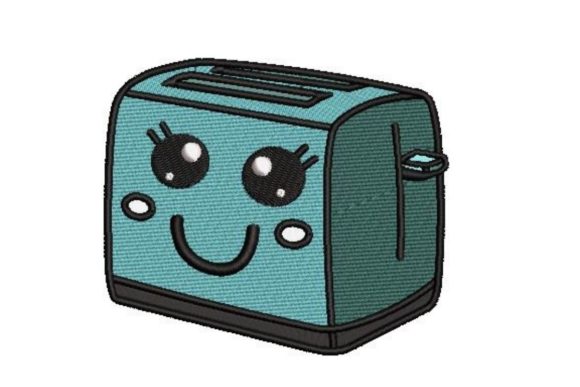
The first thing that strikes me about the Smiling Toaster is its inherent friendliness. In the world of branding, approachability is currency. This design does not scream "corporate sterile"; instead, it whispers "handmade warmth." Based on the description noting it would look stunning on kitchen decor for those who love toast, the aesthetic leans heavily into the playful and rustic categories. For a bakery, a breakfast nook, or a local coffee shop, this visual personality is gold. It suggests a brand that does not take itself too seriously but cares deeply about the customer experience.
However, for a high-end luxury retailer, this might be too whimsical unless used ironically or as a specific limited-edition drop. The key here is context. When evaluating a design for custom apparel or branded goods, we must ask: Does this align with the story we are telling? For a creative studio or a pet brand with a fun vibe, the Smiling Toaster offers an immediate emotional connection. It feels like a character rather than just an object, which is essential for creating memorable design assets.
Real-World Business Applications
Let us move beyond theory and discuss where this design actually works in a commercial setting. The versatility of the Smiling Toaster lies in its potential as an embroidered patch. Patches are currently dominating the merchandise landscape because they offer flexibility. A café could stitch these onto canvas tote bags given to loyal customers, turning a simple grocery run into a walking advertisement. The design's likely bold outlines and cheerful expression would pop nicely against natural cotton or canvas textures.
Consider apron embroidery for staff uniforms. In a bakery or a busy brunch spot, staff aprons are often the most visible part of the uniform. Placing the Smiling Toaster on the chest pocket or as a sleeve detail adds a touch of personality that standard logos lack. It humanizes the staff and reinforces the theme of the establishment. Similarly, for cap embroidery, this design could serve as a front-center logo for a food truck crew or a weekend market vendor. The compact nature of a toaster motif fits well within the curved constraints of a cap front, provided the digitizing handles the curvature correctly.
Furthermore, this design is excellent for product packaging accents. Imagine a handmade soap brand or a gourmet jam seller attaching a small patch with the Smiling Toaster to their packaging as a seal of quality or a "thank you" gift. This elevates the unboxing experience and increases the perceived value of the finished product. For Etsy sellers, offering items with this specific embroidery can differentiate their listings from competitors using generic print-on-demand services.
Technical Considerations for Production
While the concept is strong, the execution depends entirely on technical factors. As a designer, I always advise checking the stitch density before running a full production batch. High stitch density can lead to puckering, especially on lighter fabrics like linen aprons or thin tote bags. If the Smiling Toaster features dense satin columns for the toaster body, you must ensure your stabilizer game is on point. Using a cut-away stabilizer is often safer for items that will undergo frequent washing, such as staff uniforms or daily-use tote bags.
Another critical factor is the hoop size. Although the product description mentions multiple file formats, it does not specify exact dimensions. You must verify that the design fits your available hoops without requiring excessive re-hooping, which can cause alignment issues. Additionally, review the thread colors carefully. Does the design rely on subtle gradients that might get lost in translation, or does it use solid blocks of color that ensure clarity from a distance? For commercial embroidery, contrast is king. Ensure the thread colors stand out against the fabric texture you intend to use.
Strategic Placement and Limitations
There are scenarios where the Smiling Toaster requires caution. If you plan to scale this down for a tiny label on a garment tag or a small pin, you risk losing the "smile" detail that gives the design its character. Tiny lettering or intricate outlines often merge together when stitched at very small sizes. Always request a test stitch-out at your intended minimum size before approving the job.
Curved surfaces also present a challenge. While caps are a great option, the distortion on highly curved areas like the side of a rounded pillow or a cylindrical mug cozy can warp the image. The toaster might look squashed if the digitizing does not account for pull compensation. Furthermore, consider the fabric color. A light-colored toaster design might vanish on a dark navy uniform unless the digitizer has included a proper underlay or border to separate the design from the background.
Impact on Brand Identity and Customer Trust
Using a distinct motif like the Smiling Toaster contributes significantly to visual consistency. When customers see this same cheerful icon on your website, your printable mockup ads, and your physical merchandise, it creates a cohesive brand narrative. This consistency builds trust. It signals professionalism and attention to detail. A well-executed embroidered patch feels premium compared to a heat transfer that might crack after a few washes. By investing in quality embroidery file usage, you signal to your customers that you value longevity and quality in your own products.
Moreover, handmade presentation is a massive driver for buyer engagement in today's market. Consumers crave authenticity. An item featuring the Smiling Toaster stitched directly into the fabric feels crafted with care, enhancing the emotional bond between the buyer and the brand. This can lead to higher retention rates and more word-of-mouth referrals.
Final Designer Notes and Recommendations
Before you integrate the Smiling Toaster into your product line, follow these practical steps. First, test the design in black and white or a single color to check the structural integrity of the stitches without the distraction of color. Second, confirm the commercial licensing terms. The description states it "can be used," but always verify if there are limits on the number of physical items you can produce for sale. Third, create a printable mockup for client approval if you are doing this for a third party. Visualizing the design on the actual garment helps manage expectations.
Finally, compare this design beside your other design assets. Does it complement your existing logo, or does it clash? Consistency is vital. If the Smiling Toaster passes these tests, it has the potential to be a standout element in your small business merch strategy. Whether it ends up on a barista's apron, a customer's tote bag, or a limited-run patch collection, this design offers a blend of charm and utility that few kitchen-themed motifs achieve. Just remember to respect the technical limitations of embroidery, choose your fabrics wisely, and let the personality of the design shine through in your final finished product.