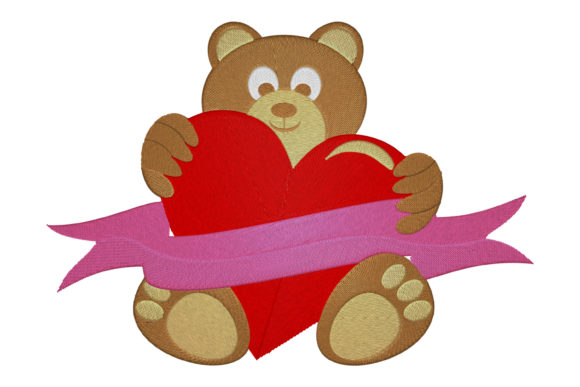
Love Bear: A Pro Review for Small Business Merch
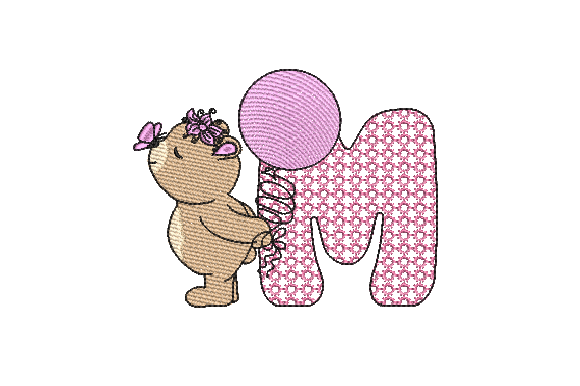
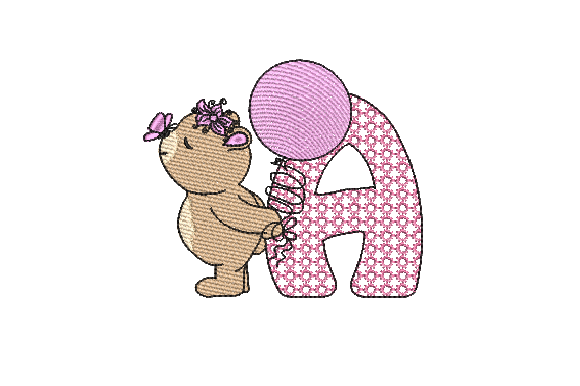
As an embroidery designer who has spent years digitizing and stitching for commercial clients, I approach every new machine embroidery design with a critical eye. It is not just about whether a motif looks cute on a screen; it is about how that digital embroidery file translates into a tangible asset for a brand. Today, I am reviewing Love Bear, a design categorized under Teddy Bears, specifically evaluating its potential for small business merchandise, branded patches, and professional apparel.
The first impression of Love Bear is one of approachable warmth. In the world of branding, especially for boutiques, bakeries, florists, and creative studios, the vibe of a logo or graphic dictates customer perception. This design does not scream corporate rigidity; instead, it offers a friendly, handmade aesthetic that feels premium yet playful. For a local business looking to humanize their brand, this visual personality is gold. It suggests care, comfort, and attention to detail—qualities that any service-based business wants to project.
Real-World Application for Brand Identity
When considering Love Bear for commercial use, the versatility is immediately apparent. Imagine a local coffee shop wanting to upgrade their staff uniforms. A standard chest logo can feel sterile, but placing Love Bear as a sleeve detail or a pocket accent on an apron adds a layer of charm that customers remember. For apron embroidery, the design's likely rounded shapes and soft lines work beautifully against canvas or twill fabrics, provided the stitch density is managed correctly to prevent puckering.
Beyond uniforms, this design shines in the realm of small business merch. Think of a pet brand or a children's boutique selling tote bags. Using Love Bear as a central tote bag design creates an instant emotional connection with the buyer. It transforms a simple utility item into a branded keepsake. Similarly, for event merchandise or customer gifts, this motif works exceptionally well on sweatshirts and pillows, as noted in its product description. The ability to scale this image for different applications makes it a valuable addition to a company's design assets.
For Etsy sellers and crafters, the potential extends to creating standalone products. An embroidered patch featuring Love Bear could be a best-seller for parents looking to personalize backpacks or jackets. The "Teddy Bears" category inherently carries nostalgia, and leveraging that through high-quality Embroidery allows makers to command higher price points for their handmade product listings.
Technical Considerations for Production
While the aesthetic appeal of Love Bear is strong, a professional review must address the technical realities of production. Not every design works everywhere, and understanding where to apply caution is vital for maintaining quality control.
One area requiring careful assessment is cap embroidery. Caps have curved, structured fronts that can distort designs if the stitch count is too high or if the underlay is insufficient. Before running a production batch of hats, I would strongly advise testing Love Bear on a actual cap blank. If the design features fine details or tiny lettering within the bear motif, these might get lost or merge together on the textured surface of a twill cap.
Furthermore, when working with dark uniforms or heavy fabrics, thread color contrast becomes paramount. A design that pops on white cotton might vanish on navy blue if the outline colors are not adjusted. Since the product description mentions multiple file formats, it is crucial to check if the color stops are optimized for dark garments or if manual editing in your embroidery software is required. Additionally, for items that undergo frequent washing, such as staff t-shirts or kitchen aprons, the stitch density must be balanced. Too dense, and the fabric becomes stiff and prone to tearing; too sparse, and the design lacks durability.
Fabric texture also plays a significant role. If you are applying Love Bear to a fluffy towel or a textured knit sweater, the stitches may sink in, reducing visibility. In these cases, using a appropriate stabilizer is non-negotiable. A cut-away stabilizer is often best for stretchy fabrics to ensure the finished product retains its shape after multiple washes.
Enhancing Customer Trust and Recognition
Consistency is the backbone of brand identity. When a customer sees the same high-quality Love Bear motif on your website, your packaging, and your staff's clothing, it builds trust. It signals professionalism. A sloppy or poorly stitched logo can undermine a brand's credibility, but a crisp, well-executed embroidery design elevates perceived value.
Using Love Bear across various touchpoints—from a small tag on a product package to a large statement piece on a shop window banner—creates visual consistency. This recognition factor is essential for small businesses competing with larger chains. The "handmade" feel of embroidery specifically appeals to consumers looking for authenticity, making Love Bear more than just a decoration; it is a strategic tool for buyer engagement.
Professional Designer Notes for Implementation
Before integrating Love Bear into your commercial workflow, I recommend following these practical steps to ensure success:
- Test in Black and White First: Remove color variables to check the integrity of the stitch paths and spacing. This reveals if the design holds up structurally.
- Verify Small Patch Viability: Stitch a sample at the smallest intended size (e.g., 2 inches) to ensure details do not blur together.
- Check Thread Contrast: Ensure your chosen thread colors provide sufficient contrast against your specific fabric choices, especially for dark uniforms.
- Inspect Spacing and Density: Look for areas where stitches might crowd each other, which can cause thread breaks or bird nesting.
- Confirm Hoop Size: Although the description mentions multiple formats, always verify the specific hoop size required for your machine before starting a job.
- Test on Real Fabric: Never rely solely on digital simulations. Stitch on the exact material you plan to sell or use for uniforms.
- Use Proper Stabilizer: Match your stabilizer type (cut-away, tear-away, water-soluble) to the fabric weight and stretch.
- Create a Printable Mockup: Generate a printable mockup for client approval to manage expectations before hooping the actual garment.
- Compare Design Assets: Place Love Bear beside your existing logos to ensure visual harmony within your brand ecosystem.
- Review Licensing: Crucially, confirm the commercial licensing terms included with the embroidery file to ensure you are authorized for mass production or resale.
The product description notes that Love Bear comes with multiple embroidery file formats, which is excellent for compatibility across different machine brands. However, since exact stitch counts and specific license terms were not detailed in the provided text, it is imperative to download the preview or documentation and verify these details before committing to a large run.
In conclusion, Love Bear represents a solid opportunity for small business owners and decorators to add a touch of warmth and professionalism to their offerings. Whether used for custom apparel, branded patches, or boutique accessories, its potential to enhance brand identity is significant. With proper testing and attention to technical details like stabilizer choice and fabric compatibility, this design can become a staple in your commercial embroidery portfolio, driving both aesthetic appeal and business growth.