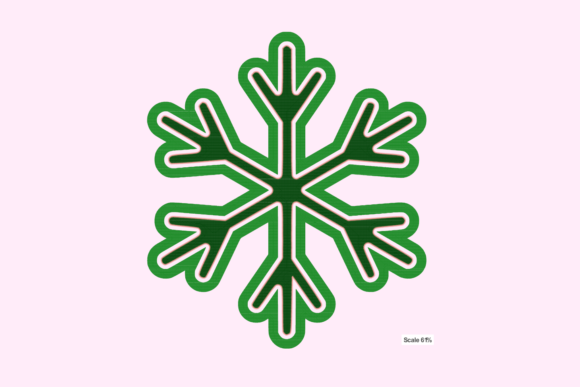
Green Snowflake: A Designer's Review for Business Merch
As an embroidery designer who spends most of my days digitizing logos and troubleshooting stitch-outs for small business clients, I approach every new machine embroidery design with a critical eye. It is not enough for a file to look pretty on a screen; it must perform under the needle, withstand industrial washing, and elevate a brand's identity. Today, I am reviewing the Green Snowflake, a winter-themed asset that promises to make creations seem "out of this world." For boutique owners, café managers, and Etsy sellers looking to expand their small business merch lineup, understanding how this design translates from a digital embroidery file to a physical product is essential.
First Impressions: Professional Yet Playful
Upon loading the Green Snowflake into my editing software, the immediate impression is one of friendly elegance. The description highlights an "adorable, wintery accent," which suggests a design that leans slightly playful rather than strictly corporate. This makes it an excellent candidate for brands that want to appear approachable and handmade. The choice of green as the primary tone is interesting; unlike the traditional blue or white snowflakes, green evokes feelings of nature, freshness, and perhaps a connection to holiday traditions without being overly cliché. For a florist, a pet brand, or an organic bakery, this color palette could seamlessly integrate into an existing brand identity while adding a seasonal twist.
The visual personality feels modern yet classic. It avoids the trap of looking too childish, which is crucial when applying designs to staff uniforms or premium packaging. However, because the description emphasizes "adorable," I would caution against using this as a primary logo for high-end luxury goods unless the brand specifically targets a whimsical demographic. Instead, it shines as a secondary mark—a sleeve detail, a pocket accent, or a limited-edition patch.
Real-World Applications for Small Businesses
The true test of any embroidery file is its versatility in commercial settings. Here is how the Green Snowflake performs across various business scenarios:
- Embroidered Patches: This is arguably the strongest use case. A circular or shaped patch featuring the snowflake can be sewn onto denim jackets, canvas totes, or beanies. For a local coffee shop, these make excellent loyalty rewards or holiday gifts for regulars.
- Staff Uniforms and Aprons: For winter months, adding this design to the corner of a black or navy apron embroidery project adds a festive touch without overwhelming the uniform. It signals to customers that the business is engaged with the season.
- Cap Embroidery: Placed on the side panel or near the sweatband of a structured cap, the snowflake acts as a subtle branding element. It works well for outdoor teams or delivery drivers who need a bit of seasonal flair.
- Tote Bag Design: Canvas bags are staples for retail shops. Stitching this motif near the bottom corner or as part of a larger pattern creates a cohesive handmade product feel that appeals to eco-conscious shoppers.
- Product Packaging Accents: Small businesses often sell wrapped goods or boxed items. A small embroidered tag featuring the Green Snowflake can serve as a premium seal of quality, increasing the perceived value of the finished product.
Technical Considerations and Placement Strategy
While the aesthetic appeal is high, practical execution requires attention to detail. The description notes this is a "high-quality embroidery design," but quality in production depends heavily on how the file interacts with different materials. When planning your commercial embroidery run, consider the following constraints:
- Stitch Density and Fabric Texture: Snowflake designs often feature intricate radial lines. If the stitch density is too high, the design may become stiff or cause puckering on lightweight fabrics like thin cotton tees. Conversely, on textured fabrics like wool coats or thick fleece, fine details might get lost. Always test on the actual fabric you intend to use.
- Curved Surfaces: Using this on cap fronts requires careful hooping. The curvature of a cap can distort symmetrical designs like snowflakes. Ensure the digitizing accounts for pull compensation, or stick to flat surfaces like tote bags and apron bibs for the crispest result.
- Thread Color Contrast: The "green" aspect is vital. On dark uniforms (navy, black, charcoal), ensure the specific shade of green provided in the file offers sufficient contrast. If the green is too dark, the design will vanish. You may need to manually adjust the thread colors in your machine software to ensure visibility.
- Size Limitations: Do not attempt to shrink this design below one inch in diameter. Intricate winter motifs lose definition when scaled down too far, turning into a solid blob of thread. Verify the minimum recommended size before committing to tiny embroidered patch runs.
Impact on Brand Identity and Customer Trust
In the realm of custom apparel and branded goods, consistency is key to building trust. The Green Snowflake can enhance brand identity by showing that a business cares about presentation and seasonal relevance. When a customer receives a tote bag or wears a shirt with a clean, well-executed snowflake, it reinforces the perception of professionalism. It tells them the business invests in quality assets rather than using cheap, generic transfers.
Furthermore, limited-edition seasonal merchandise drives engagement. By incorporating this design into a winter collection, handmade brands and creative studios can create a sense of urgency and exclusivity. It transforms a standard item into a collectible, encouraging repeat visits and social media shares. The "out of this world" promise in the description hints at a unique visual appeal that can help a small business stand out in a crowded market.
Designer Notes for Production Success
Before running a full production batch, I strongly advise following these professional steps to ensure the Green Snowflake meets your standards:
- Test in Black and White First: Convert the design to a single color (black thread) on a scrap piece of fabric. This reveals the underlying structure and spacing issues without the distraction of color blending.
- Check Hoop Size Compatibility: Confirm that the design fits within your available hoop size. While the exact dimensions are not listed in the brief description, assuming it fits a standard 4x4 hoop is risky without verification.
- Use Proper Stabilizer: Winter fabrics can be tricky. Use a cut-away stabilizer for stretchy knits and tear-away for stable wovens to prevent distortion after washing.
- Create a Printable Mockup: Before stitching, generate a printable mockup to show clients or stakeholders. This helps visualize the placement on design assets like shirts or bags.
- Verify Commercial Licensing: The description mentions "creations," but always confirm the license terms. Ensure you have the right to use this digital embroidery file for commercial goods intended for resale.
- Inspect Spacing: Look closely at the points of the snowflake. Ensure there is enough space between stitches to prevent thread breaks, especially if using metallic or specialty threads.
In conclusion, the Green Snowflake is a versatile asset for those in the Winter season market. With careful attention to fabric choice, sizing, and stabilization, it can transform simple merchandise into memorable branded experiences. Whether used for a bakery's holiday aprons or a boutique's limited-run patches, this design holds the potential to add significant value to your product line.