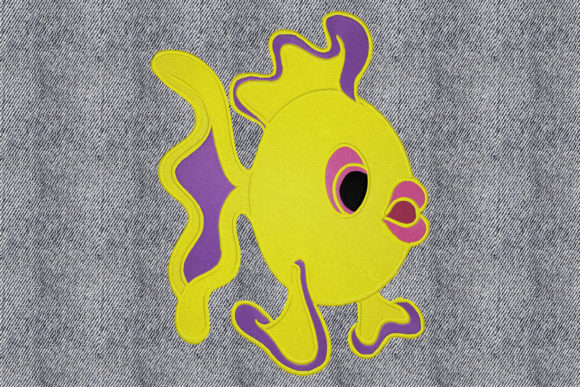
Cute Fish: A Designer’s Review for Personalized Gifts
As an embroidery designer who has spent years digitizing patterns and testing them on everything from delicate silk to heavy denim, I approach every new machine embroidery design with a critical eye. It is not just about whether the file opens correctly; it is about how that design translates into a tangible, emotional experience for the end customer. Recently, I had the opportunity to test the Cute Fish design, and I want to share my practical insights for fellow crafters, Etsy sellers, and small business owners looking to expand their personalized gift offerings.
First Impressions: Charm and Emotional Appeal
The moment I loaded the Cute Fish file into my software, the mood was immediately apparent. This is not a stiff or overly technical graphic; it possesses a softness that screams "handmade." The lines are clean yet playful, striking a balance between modern simplicity and classic nursery charm. For a designer, this is crucial. We are not just selling thread on fabric; we are selling a feeling. This design feels sweet, approachable, and inherently joyful.
When considering the emotional appeal, Cute Fish taps into a sense of nostalgia and innocence. It is the kind of imagery that makes a customer pause while scrolling through social media. It does not try too hard. Instead, it relies on the inherent likability of its subject. For baby product creators and wedding gift designers, this immediate emotional connection is half the battle won. The design suggests warmth and care, which are the primary drivers behind purchasing a personalized gift.
Versatility Across Product Lines
One of the strongest assets of this design is its adaptability. In my testing phase, I visualized Cute Fish across a variety of substrates to determine where it would perform best. Here is how it holds up in real-world applications:
- Baby Embroidery: This is arguably the strongest market for this design. Imagine it stitched onto a muslin swaddle blanket or a onesie. The playful nature of the fish appeals directly to parents and gift-givers attending baby showers. It works beautifully for blanket embroidery, adding a focal point without overwhelming the soft fabric.
- Kitchen and Home Decor: An embroidered towel featuring this fish adds a whimsical touch to a coastal-themed kitchen. It also translates well to a pillow cover, especially if paired with nautical colors like navy, teal, or sandy beige. For aprons, it serves as a cute pocket detail that elevates a standard utility item into a handmade product worth gifting.
- Wedding and Keepsake Items: While often associated with children, this design can be adapted for wedding gifts, particularly for couples who love the ocean or fishing. Stitched onto a tote bag or a custom linen napkin set, it becomes a memorable wedding gift that stands out from traditional monograms.
- Etsy Listings and Craft Fairs: For the Etsy seller, visual variety is key. This design allows for easy creation of themed collections. You can offer it on t-shirts, sweatshirts, and tote bags, creating a cohesive shop aesthetic that attracts buyers looking for unique, non-mass-produced items.
Navigating Technical Challenges and Fabric Choices
While the aesthetic is strong, any experienced embroiderer knows that the devil is in the details. When working with a design like Cute Fish, you must consider the technical constraints of your materials. Here are the areas where caution is required:
Fabric Texture and Stability: Textured fabrics, such as waffle-weave towels or thick terry cloth, can obscure fine details. If the fish design includes small internal stitches or subtle curves, they may get lost in the pile of a thick towel. In these cases, I recommend using a cutaway stabilizer to provide a firm foundation and ensuring your needle is sharp enough to penetrate without causing puckering.
Stretchy Materials: Baby clothes are often made from stretchy knits. Embroidering on these requires careful attention to hoop size and tension. If the hoop is too tight, you risk distorting the garment; too loose, and the design may shift. Always test on scrap fabric first. For stretchy baby clothes, a lightweight tear-away or cutaway stabilizer is essential to maintain the integrity of the custom embroidery after repeated washing.
Dark Fabrics and Contrast: The charm of Cute Fish relies on its visibility. On dark fabrics, you must carefully select your thread colors. A lack of contrast will make the design look muddy. I advise creating digital mockups to compare light and dark fabric options before committing to production. Ensure that the thread shades pop against the background to maintain the design's playful clarity.
Enhancing Perceived Value and Customer Trust
Why does a specific design sell? Often, it comes down to perceived value. A well-executed Cute Fish embroidery signals quality. It shows that the maker has invested time in selecting a high-quality digital embroidery file and has the skill to stitch it cleanly. This builds customer trust.
For small shop owners, this design enhances giftability. It transforms a plain item into a cherished keepsake. When a customer receives a pillow or tote with this charming motif, the emotional connection is immediate. This leads to higher buyer engagement, more shares on social media, and ultimately, repeat business. The design acts as a silent ambassador for your brand’s attention to detail.
Practical Notes for Production
Before you list this as a small shop product or include it in your commercial catalog, follow these practical steps to ensure consistency:
- Test on Scrap Fabric: Never run a new design on your final product first. Use scraps of the exact same material to check for puckering or thread breaks.
- Check Stitch Density: Review the stitch density in your software. If it is too dense for lightweight fabrics, it may cause stiffness or tearing. Adjust if necessary, or choose heavier fabrics for denser versions.
- Confirm Hoop Size: Ensure the design fits comfortably within your standard hoop sizes. If it requires a large hoop, factor that into your pricing and production time.
- Review Small Details: After stitching, inspect the smallest parts of the fish. Are the eyes clear? Are the fins defined? If details are merging, you may need to adjust underlay settings or switch to a finer needle.
- Licensing Verification: Since this is a commercial embroidery context, always confirm the licensing terms of the embroidery file. Ensure you have the right to sell finished products featuring this design. The product description mentions multiple file formats, which is excellent for compatibility, but always double-check the license agreement provided by the creator.
Final Thoughts for Makers
In the world of Fish themed Embroidery, finding a design that balances cuteness with professionalism can be challenging. Cute Fish succeeds because it is versatile, emotionally resonant, and technically manageable for most intermediate machines. Whether you are creating a printable mockup for your online store or stitching a one-of-a-kind finished product for a local client, this design offers a reliable pathway to creating items that people love to give and receive.
By paying attention to fabric choice, stabilizer selection, and thread contrast, you can maximize the impact of this design. It is more than just a pattern; it is a tool for building a brand centered on warmth, quality, and thoughtful craftsmanship. As you plan your next collection, consider how Cute Fish can bring a splash of joy to your personalized gift lineup.